Article 46: Joe Meek, the world’s first independent producer
Joe MeekTelstar, by The Tornados, released in 1962 went No.1 in the UK and the USA, the first UK record ever to do so. Millions of people know that record but they have no idea who the man behind it was and furthermore, they have no idea just how important this man is in the history of popular music. In 2012 the NME named him the ‘Greatest Producer of All Time,‘ beating George Martin, Phil Spector and Quincy Jones and all of your favourites. Here then, is the simplified story of a complicated man. Joe Meek, the world’s first independent producer.
ジョー・ミーク1962年にリリースされたトルネードスの『Telstar』は、イギリスとアメリカで1位を獲得した。何百万人もの人々がこのレコードを知っているが、その背後にいる男が誰なのか、さらにこの男がポピュラー音楽の歴史においてどれほど重要な人物なのかを知らない。2012年、『NME』誌はジョージ・マーティン、フィル・スペクター、クインシー・ジョーンズ、そして皆さんのお気に入りのプロデューサーを抑えて、彼を「史上最高のプロデューサー」に選出した。ここでは、複雑な男の単純化された物語を紹介しよう。世界初のインディペンデント・プロデューサー、ジョー・ミーク。

Photo 1 Joe Meek
写真1 ジョー・ミーク
Joe was born Robert George Meek on 5th April 1929 at 1 Market Square in Newent, a small town in Gloucestershire with a population of about 4,000 people. His parents were farmers and they nicknamed him Joe after his brother who had died as an infant. Joe’s mother actually wanted a girl and she dressed him in girl’s clothes until he was four years old which may or may not account in part for his homosexuality later on in life. He was a precocious, reclusive child who preferred to listen to the radio rather than play outside. He was teased at school by his elders and became interested in electronics at a very early age, taking apart radios and gramophones to see how they worked and tried to construct other things from them. By the time he was ten, he had already built a crystal radio set attached to a microphone and amplifier and by the age of fourteen had upgraded it so much that he could work locally as a DJ. This was 1943, WWII was raging, parts were difficult and expensive to get and electronics were still in their infancy. He also astonished the local community when he built a sound system to put in trees to frighten birds away and built the first television in his area. Sadly, he lived in such a remote part of Britain that the signal was very weak and very few programs reached his home.
ジョーは1929年4月5日、グロスターシャーのニューエントという人口4,000人ほどの小さな町のマーケット・スクエア1番地でロバート・ジョージ・ミークとして生まれた。両親は農民で、幼い頃に亡くなった兄の名前からジョーとあだ名された。ジョーの母親は実は女の子を欲しがっていて、ジョーは4歳になるまで女の子の服を着せられていた。これは、後に彼が同性愛に走った一因かもしれないし、そうでないかもしれない。彼は早熟で引っ込み思案な子供で、外で遊ぶよりもラジオを聴く方が好きだった。学校では年長者にからかわれ、幼い頃から電子工学に興味を持ち、ラジオや蓄音機を分解して仕組みを調べたり、そこから別のものを作ろうとしたりした。10歳の時にはすでに、マイクとアンプを取り付けたクリスタル・ラジオ・セットを作り、14歳の時には地元でDJとして働けるほどにグレードアップしていた。当時は1943年で、第二次世界大戦が猛威をふるい、部品の入手は困難で高価で、エレクトロニクスはまだ黎明期にあった。彼はまた、鳥を追い払うために木の上に音響システムを設置し、地元で最初のテレビを建設して地元住民を驚かせた。残念なことに、彼が住んでいたのはイギリスの辺境の地であったため、電波は非常に弱く、彼の家に届く番組はほとんどなかった。
In 1948, the compulsory National Service Act meant that Joe had to serve eighteen months in the military and he enlisted in the RAF, serving as a radar operator. When he was dismissed, he returned home and worked at the Midlands Electricity Board but London called and he moved to the capital, landing a job as a TV/radio engineer for a while at the HMV Company. Whilst there, he made contact with a lot of record industry salesmen and then in 1955, moved to the International Broadcasting Company (IBC) Recording Studios at 35 Portland Place where he learnt the basics of engineering a record. The following year he engineered Frankie Vaughn’s No. 2 hit Green Door as well as Humphrey Lyttelton's Bad Penny Blues which was the first British Jazz record to enter the Top 20; Paul McCartney based the piano riff to Lady Madonna on this piece. In 1957, Humphrey Lyttelton's producer, Denis Preston, asked Joe to find him a property for a new studio. He found one in Holland Park, West London and Lansdowne Studios was founded that year. Denis took Joe to work with him where he was free to experiment a bit more and Joe engineered several of the Lonnie Donegan early hits at Lansdowne including Cumberland Gap and he also tried his hand at song writing. He wrote one called Put A Ring On Her Finger which was recorded by Eddie Silver and produced by George Martin in his pre-Beatle days but the record flopped in the UK. However, it was covered in the US by Les Paul and Mary Ford, reaching No. 32 in the Billboard chart.
1948年、強制国民服務法により、ジョーは18ヶ月の兵役に就かなければならなくなり、RAFに入隊してレーダー・オペレーターとして勤務した。解雇されると地元に戻り、ミッドランズ電力公社で働いたが、まもなくロンドンに引っ越して、首都に移り、HMV社でしばらくテレビ/ラジオのエンジニアの仕事に就いた。そこで多くのレコード業界のセールスマンと接触し、1955年にはポートランド・プレイス35番地にあるインターナショナル・ブロードキャスティング・カンパニー(IBC)のレコーディング・スタジオに移り、そこでレコードのエンジニアリングの基礎を学んだ。翌年には、フランキー・ヴォーンの2位ヒット曲『グリーン・ドア』と、英国ジャズ・レコードとして初めてトップ20入りを果たしたハンフリー・リットルトンの『バッド・ペニー・ブルース』のエンジニアを務めた。ポール・マッカートニーは、この曲をもとに『レディ・マドンナ』のピアノ・リフを作曲した。 1957年、ハンフリー・リッテルトンのプロデューサー、デニス・プレストンは、ジョーに新しいスタジオの物件探しを依頼した。彼はロンドン西部のホランド・パークに物件を見つけ、その年、ランズダウン・スタジオが設立された。ジョーはカンバーランド・ギャップを含むランスドーンでのロニー・ドネガンの初期のヒット曲のいくつかを手がけ、曲作りにも挑戦した。彼は『Put A Ring On Her Finger』という曲を書き、エディ・シルヴァーがレコーディングし、ジョージ・マーティンがプロデュースした。しかし、レス・ポールとメアリー・フォードがアメリカでカヴァーし、ビルボード・チャートで32位を記録した。
Frankie Vaughn’s Green Doorフランキー・ヴォーンの「グリーンドア」 Humphrey Lyttelton's Bad Penny Blues
ハンフリー・リットルトンの『バッド・ペニー・ブルース』
Around this time, Joe became very interested in spiritualism, tarot cards and other such things. One night, he attended a séance and was told that Buddy Holly would die on February 3rd. When Buddy was on his UK tour in March 1958, Joe went to see him and gave Buddy a note telling him about the séance. Buddy thanked him but ignored it because Feb 3rd 1958 had already passed. This really reads like a side note but as you shall see, has relevance later on. Now, where were we? Oh yes…Lansdowne studios.
この頃、ジョーはスピリチュアリズムやタロットカードなどに非常に興味を持つようになった。ある晩、彼は交霊会に出席し、バディ・ホリーが2月3日に死ぬと告げられた。1958年3月にバディがイギリス・ツアーに出たとき、ジョーは彼に会いに行き、交霊会についてのメモを渡した。バディは彼に感謝したが、1958年2月3日はすでに過ぎていたので無視した。これは余談のように聞こえるが、後述するように関連性がある。さて、何の話だったか?そうそう、ランズダウン・スタジオ。
For reasons unknown, Joe and Denis parted company and Joe decided to form his own record company with the royalties from Put A Ring On Her Finger. Triumph Records was unusual for the time in the UK as the major labels dominated the charts and there were only a handful of independents. After a few unsuccessful releases, he had a top 10 hit with Angela Jones sung by Michael Cox which was the first UK hit on an independent label in ten years but by then he had lost interest as well as a lot of money due to poor distribution which was done through Saga Records - they specialized in film music. This was just one of Joe’s many examples of his poor business dealings. Triumph Records was closed less than a year after it opened.
理由はわからないが、ジョーとデニスは袂を分かち、ジョーは『Put A Ring On Her Finger』の印税で自分のレコード会社を設立した。トライアンフ・レコードは、メジャー・レーベルがチャートを独占し、独立系レーベルは数えるほどしかなかった英国では、当時としては珍しい存在だった。いくつかの失敗作をリリースした後、マイケル・コックスが歌った「Angela Jones」がトップ10ヒットを記録し、インディペンデント・レーベルとしては10年ぶりの全英ヒットとなった。しかし、その頃には、映画音楽専門のサガ・レコードを通じた貧弱な流通のせいで、彼は多くの資金と興味を失っていた。これは、ジョーがビジネスで失敗した多くの例のひとつに過ぎない。トライアンフ・レコードは開店から1年も経たないうちに閉店した。
In that year though, Joe had formed a partnership between himself and one of the members of the board at Saga, Wilfred-Alonzo ‘Major’ Banks. Banks saw the sales of Angela Jones and offered Joe a deal whereas Joe would receive a salary and they would split all the profits 50/50. Major Banks would also finance an independent studio for Joe to record in giving Joe all the freedom he wanted. The company was registered on September 12th, 1960 under the name of RGM Sound Ltd (Robert George Meek) and Joe rented a three story flat above a leather goods shop at 304 Holloway Road, Islington. Together with Dave Adams, a musician friend who happened to also be a carpenter, he converted the middle floor of the flat into a recording studio. Now all he needed was someone to record.
しかしその年、ジョーはサガの役員の一人であるウィルフレッド=アロンゾ・"メジャー"・バンクスとパートナーシップを結んでいた。バンクスは「Angela Jones」の売れ行きを見て、ジョーに給料を支払い、すべての利益を折半するという取引を持ちかけた。メジャー・バンクスはジョーがレコーディングするための独立したスタジオにも資金を提供し、ジョーにあらゆる自由を与えた。会社は1960年9月12日にRGMサウンド・リミテッド(ロバート・ジョージ・ミーク)という名前で登記され、ジョーはイズリントンのホロウェイ・ロード304番地の革製品店の上に3階建てのアパートを借りた。たまたま大工でもあったミュージシャンの友人、デイヴ・アダムスとともに、彼はアパートの真ん中の階をレコーディング・スタジオに改造した。あとはレコーディングする人が必要だった。

Photo 2a 304 Holloway Rd in the 1960s
写真2a 1960年代の304 Holloway Rd
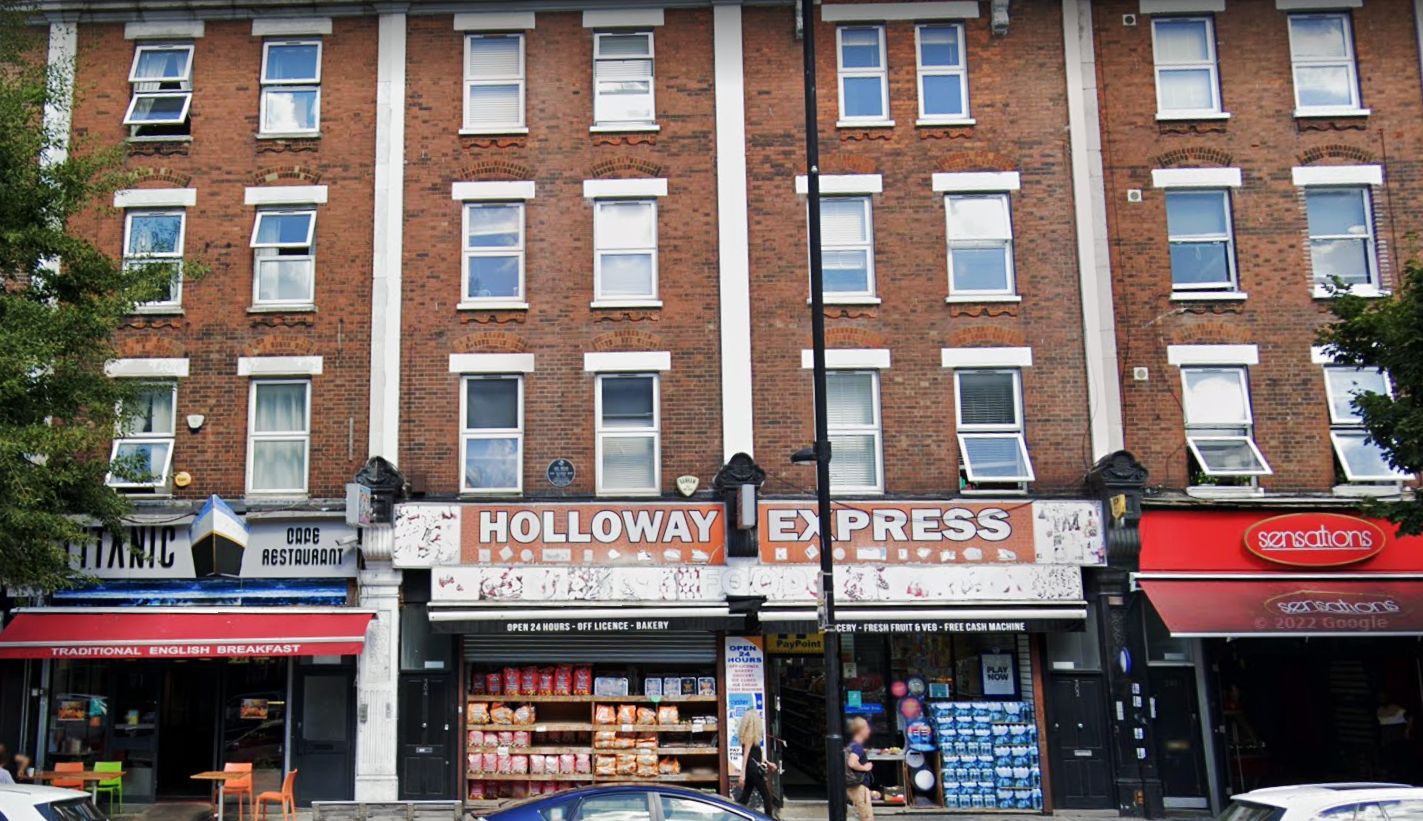
Photo 2b 304 Holloway Rd now. Note the Titanic café next door is still in business. I highly recommend the English breakfast.
写真2b 304 Holloway Rdの現在。隣のタイタニック・カフェはまだ営業している。イングリッシュ・ブレックファストがおすすめ。
Mike Berry, a wannabe singer from Northampton, had already made a demo of himself with his band and via a friend, the tape found its way to Joe who liked it. Joe told Mike that he had an idea to do a tribute to Buddy Holly with Mike’s face superimposed over Buddy’s on the cover, an idea Mike loved and promptly signed the record contract. To begin though, Joe thought Mike should record a cover version of The Shirelles’ Will You Still Love Me Tomorrow which Mike did, using Joe’s studio band called The Outlaws. It was released in January 1961 and disappeared without a trace. Joe spent the next few months experimenting with recording including putting microphones in dustbins to get an echo, asking drummers to play boxes rather than drums, dropping marbles in toilets and scraping combs along objects, recording all of them on reams of tape. The Major funded all of Joe’s eccentricities for a while but then being the good businessman he was, insisted that Joe put some hits out. In August 1961, he had his first No. 1 with Johnny Remember Me performed by another singer named John Leyton, again with The Outlaws as the backing band. A follow-up record, Wild Wind, went to No.2. Both songs were written by a young man named Geoff Goddard and he would become Joe’s regular songwriter. Mike Berry then got his chance to record his tribute to Buddy Holly (also written by Goddard) and the single reached No. 24 in October 1961. Mike Berry took off on tour and The Outlaws went with him so Joe put a new band together and called the The Tornados.
ノーザンプトンに住むシンガー志望のマイク・ベリーは、すでに自分のバンドでデモを作っていて、そのテープが友人を通じてジョーの元に届き、ジョーはそのテープを気に入った。ジョーはマイクに、バディ・ホリーのジャケットにマイクの顔を重ねたバディ・ホリーのトリビュート・アルバムを作るアイディアがあることを告げ、マイクはそのアイディアを気に入り、すぐにレコード契約にサインした。ジョーはマイクがシャイレルズの「Will You Still Love Me Tomorrow?」のカヴァー・ヴァージョンをレコーディングするべきだと考え、マイクはジョーのスタジオ・バンド、アウトローズを使ってレコーディングした。1961年1月にリリースされ、そのまま姿を消した。ジョーはその後数ヶ月間、エコーを得るためにゴミ箱にマイクを入れたり、ドラマーにドラムではなく箱を叩いてもらったり、トイレにビー玉を落としたり、物体に櫛をこすりつけたりといったレコーディングの実験に明け暮れ、それらをすべて何本ものテープに録音した。メジャーはしばらくの間、ジョーの奇行すべてに資金を提供していたが、その後、優秀なビジネスマンであった彼は、ジョーにヒット曲を出すよう主張した。1961年8月、ジョン・レイトンという別のシンガーが歌った『Johnny Remember Me』で初のNo.1を獲得。この時もバックバンドはアウトローズだった。続く『Wild Wind』は2位を獲得。どちらの曲もジェフ・ゴダードという若者が書いたもので、彼はジョーのレギュラー・ソングライターとなる。その後、マイク・ベリーはバディ・ホリーへのトリビュート曲(これもゴダードが書いた)をレコーディングするチャンスを得、このシングルは1961年10月に24位を記録した。マイク・ベリーはツアーに出かけ、アウトローも同行したため、ジョーは新しいバンドを結成し、トルネードスと名付けた。
Joe was doing well and the peak of his career came in late 1962 when Telstar hit No.1 on both sides of the Atlantic but within a few months, he was being sued for plagiarism by a French composer named Jean Ledrut. Joe had all his royalties frozen and it was the start of the decline of his personal life. He had hits after Telstar but nothing matched it in sales and he had too much faith in The Tornados bass player, Heinz Burt, who he wanted to mold into a pop idol along the same lines as Elvis and Billy Fury. Joe may or may not have been in love with Heinz but either way, Heinz was with Joe for the fame and the adulation, not for a relationship. Joe poured money into Heinz’s career and in August ’63 they had a top 5 hit with Just Like Eddie (an Eddie Cochran tribute) but the follow-up singles failed to make much of an impact and then in November 1963, Joe was arrested for homosexual activities in a public toilet. The fine was small - £15 - but the shame was almost too much to bear and he was mocked by youths outside the studio whenever he entered, sometimes beaten up by them as well. Heinz eventually left Joe when the money ran out in 1965.
ジョーは順調で、1962年後半に『Telstar』が大西洋の両岸でNo.1を獲得し、キャリアのピークを迎えたが、数カ月も経たないうちにジャン・ルドルートというフランス人作曲家から盗作で訴えられることになった。ジョーは印税をすべて凍結され、それが私生活の転落の始まりだった。彼はトルネードスのベーシスト、ハインツ・バートを信頼しすぎており、エルヴィスやビリー・フューリーのようなポップ・アイドルに仕立て上げたいと考えていた。ジョーはハインツに恋をしていたかもしれないし、そうでなかったかもしれないが、いずれにせよ、ハインツは名声と賞賛のためにジョーと一緒にいたのであって、交際のためにいたのではない。ジョーはハインツのキャリアに資金を注ぎ込み、1963年8月には『Just Like Eddie』(エディ・コクランへのトリビュート曲)がトップ5ヒットを記録したが、その後のシングルは大きなインパクトを残せず、さらに同年11月、ジョーは公衆トイレでの同性愛行為で逮捕された。罰金は15ポンドと少額だったが、恥辱に耐えかね、スタジオに入るたびに外の若者たちから嘲笑され、時には殴られることもあった。ハインツは結局、1965年に金が尽きるとジョーのもとを去った。
An excerpt from La Marche d'Austerlitz by Jean Ledrut who sued Joe for plagiarism
ジョーを盗作で訴えたジャン・ルドルフの『オーステルリッツのマルシェ』からの抜粋。
Telstar by The Tornados
テルスター(ザ・トルネード作)
By this time, Joe had also split with Major Banks and he had very little funds left to carry on producing. He became increasingly paranoid that his studio was bugged by the big labels and he had difficulty adapting his style to the quickly changing pop world. Merseybeat and the Tottenham Sound now dominated the charts and unable to take the rejection and failure, locked himself away in his studio, talking to no one. The last thing he did that garnered any success was producing The Honeycombs’ Have I The Right which went to No.1 in July 1964 but this brought only heartache for Joe when Geoff Goddard sued the writers, claiming that Joe had stolen his song, Give Me A Chance. Joe was a broken man, financially, physically and mentally.
この頃、ジョーはメジャー・バンクスとも別れてあり、プロデュースを続けるための資金はほとんど残っていなかった。大手レーベルが彼のスタジオを盗聴しているのではないかという猜疑心が次第に強くなり、急速に変化するポップ界に自分のスタイルを適応させることが難しくなっていった。マージービートとトッテナム・サウンドがチャートを席巻するようになり、拒絶と失敗に耐えられず、スタジオに閉じこもって誰とも話さなかった。1964年7月にNo.1になったハニーカムズの『Have I The Right』をプロデュースしたのが、彼が成功を収めた最後の仕事となったが、ジョーが自分の曲『Give Me A Chance』を盗んだとしてジェフ・ゴダードが作曲家を訴えたため、ジョーには心痛だけがもたらされた。ジョーは経済的にも肉体的にも精神的にも失意のどん底にあった。
No one knows for sure what happened on February 3rd, 1967, the anniversary of Buddy Holly’s death. Joe was heard arguing with his landlady who seconds later, fell down the stairs, having been blasted with a shotgun Joe had confiscated from Heinz. Joe then turned the gun on himself and ended his own life. It was a tragic end to a man who invented recording techniques and captured sounds that nobody else could. He left behind over 1,800 tapes in tea chests (now known as The Tea Chest Tapes), most of which had never been released.
バディ・ホリーの命日である1967年2月3日に何が起こったのか、確かなことは誰にもわからない。ジョーが女主人と口論しているのを聞いた女主人は、ジョーがハインツから没収した散弾銃で撃たれて階段から落ちた。その後、ジョーは自分に銃を向け、自らの命を絶った。録音技術を発明し、誰にもできない音をとらえた男の悲劇的な最期だった。彼は1,800本以上のテープを茶箪笥に残したが(現在は『茶箪笥テープ』として知られている)、そのほとんどは未発表のものだった。
His hits speak for themselves but the clarity of the recordings, the sound effects and inventiveness are just a part of his legacy. Lansdowne Studios became one of the most desired studios in the UK and was used by Uriah Heep, Queen and The Animals amongst many others. The Outlaws guitarist did well for himself. His name is Ritchie Blackmore and he got into the band at the suggestion of the drummer, Mick Underwood who went in to become Gillan’s drummer in the 1980s. Chas Hodges was on bass and with Dave Peacock, found fame as Chas & Dave that same decade. The Tea Chest Tapes were acquired in 2021 by Cherry Red Records and over eighteen months, indexed, catalogued, digitized and are now being issued. They are said to contain not only unreleased Ritchie Blackmore recordings but also ones by, amongst others, David Bowie, Ray Davies, Marc Bolan, Steve Marriott and Gene Vincent. I have a standing order with Cherry Red to buy every one of them.
彼のヒット曲はそれを物語っているが、録音の明瞭さ、音響効果、創意工夫は彼の遺産の一部に過ぎない。ランズダウン・スタジオは英国で最も人気のあるスタジオのひとつとなり、ユーライア・ヒープ、クイーン、アニマルズなどが使用した。アウトローのギタリストはそれなりのキャリアを積んだ。彼の名前はリッチー・ブラックモアで、1980年代にギランのドラマーとなったドラマーのミック・アンダーウッドに勧められてバンドに入った。ベースはチャス・ホッジスで、デイヴ・ピーコックとともに同年チャス&デイヴとして名声を得た。茶箪笥テープは2021年にチェリーレッド・レコードが入手し、18ヶ月かけてインデックス化、カタログ化、デジタル化され、現在発行されている。リッチー・ブラックモアの未発表音源だけでなく、デヴィッド・ボウイ、レイ・デイヴィス、マーク・ボラン、スティーヴ・マリオット、ジーン・ヴィンセントなどの音源も収録されているという。私はチェリー・レッド社に全作品を購入するスタンディング・オーダーをしている。


Photo 03a and 3b Joe’s studio equipment was unique, as was his sound. In the digital age many things come close to recreating the original analogue sounds and Joe would be rather proud to know that his name lives on in a series of digital processors in his name. The sixties green is a nice touch.
写真03a、3b ジョーのスタジオ機材は、彼のサウンドと同様にユニークだった。デジタルの時代になって、多くのものがオリジナルのアナログ・サウンドの再現に近づいているが、ジョーは、彼の名前が彼の名を冠した一連のデジタル・プロセッサーに生き続けていることを、誇りに思っていることだろう。60年代のグリーンがいいアクセントになっている。
N.B. The Telstar lawsuit which started in March 1963 was settled in a French court. The judge’s verdict was that there were indeed parallels between Telstar and Ledrut's film music. The film however, was only released in France at the time and therefore it is highly unlikely that Joe knew of its existence. Ledrut obtained £8,500 and all Joe’s frozen assets were released. Sadly, it was too late for Joe, the case took over four years and was settled after his death.
注:1963年3月に始まったテルスター訴訟はフランスの裁判所で和解が成立した。裁判官の評決は、テルスターとレドルトの映画音楽には確かに類似点があるというものだった。しかし、この映画は当時フランスでしか公開されていなかったため、ジョーがその存在を知っていた可能性は極めて低い。レドルトは8,500ポンドを獲得し、ジョーの凍結資産はすべて解除された。残念なことに、ジョーにとっては手遅れで、裁判は4年以上かかり、彼の死後に和解が成立した。
Copyright © 2023 Upp-tone music Co., Ltd. All Rights Reserved.