Article 47: The Hasegawa Tapes Part I
In the first part of this special, my good friend and NWOBHM expert, Satoshi Hasegawa interviews me about my previous articles. We talked for four hours and drank lots of beer.
長谷川テープ パート1この特集の第一部では、私の親友でありNWOBHMの専門家である長谷川サトシが、過去の記事について私にインタビューしている。私たちは4時間話し続け、ビールをたくさん飲んだ。
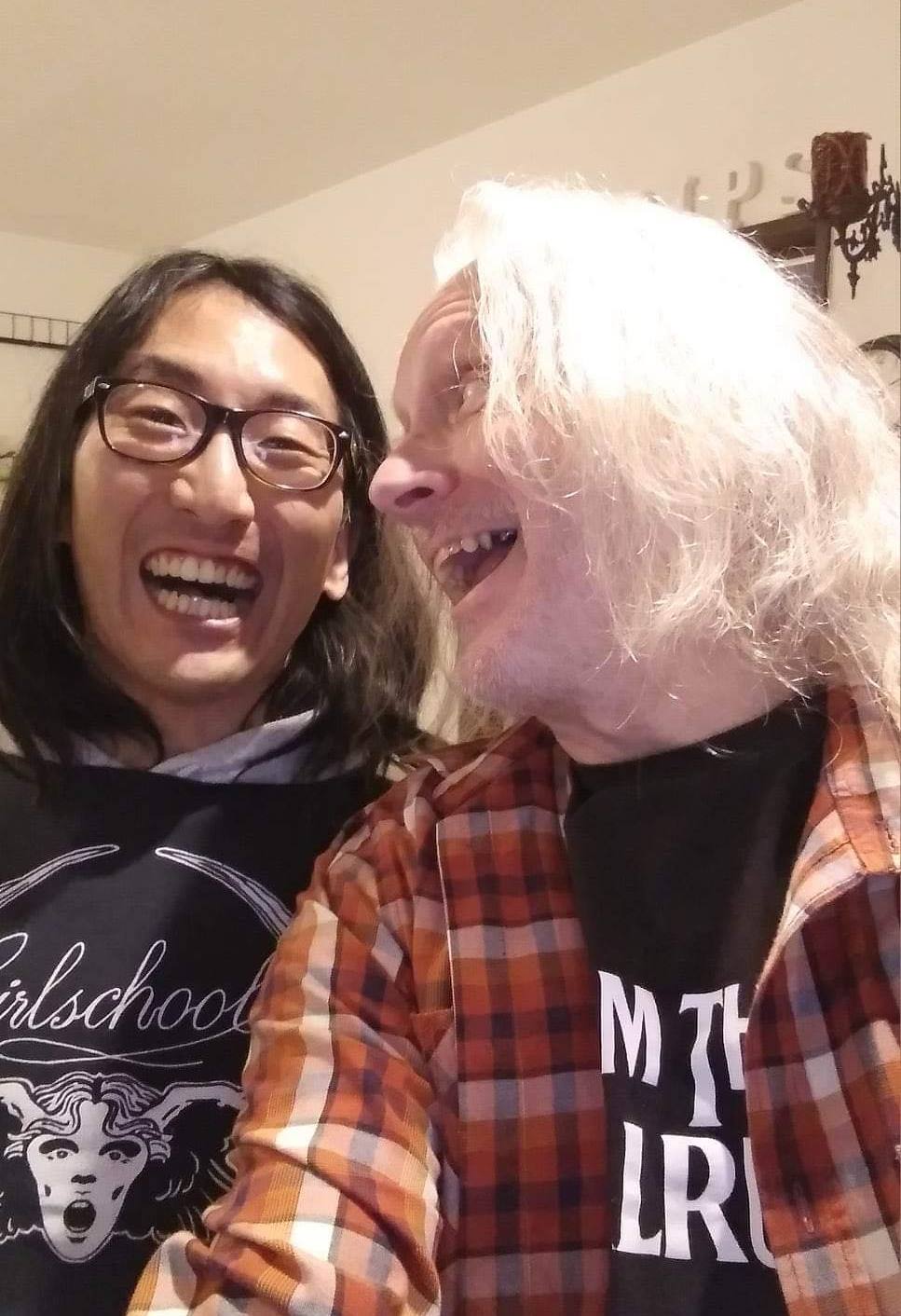
Photo 1 Satoshi and Glenn
Photo 1 サトシとグレン
SH: How long did you work for Rock Goddess?
GW: A few years. My first gig with them was in January 1982.
SH: どのくらいロックゴッデスとは仕事したの?
GW: 数年かな。彼女たちとの最初のギグは1982年の1月だった。
SH: To 1984 or 1985.
GW: I don’t remember exactly but the middle of the eighties.
SH: 1984 年か1985年まで?
GW: 正確には覚えていないんだ。でも80年代の半ばだった。
SH: Did Rock Goddess always open with Satisfied Then Crucified?
GW: Yes. I think there was one show when they tried another song but the fans and band found it a bit strange and the atmosphere wasn’t the same so they went back to it.
SH: ロックゴッデスはいつも「Satisfied Then Crucified」で幕を開けたの?
GW: ああ。一度だけ、別の曲を試したショーがあったと思うけど、ファンもバンドもちょっと違和感があったし、雰囲気も違っていたので、元に戻したんだ。
SH: You were living at 118 Wandsworth High Street in the 1980s and many band members came there after live shows. You wrote Bruce Dickenson, Neil Murray, members of Motorhead came there, what else can you tell us about it?
GW: The rehearsal room was on the top floor of the house and my bedroom was next to it. The neighbours didn’t matter as the left side was a café which closed at 6pm and the right side was a funeral director so there was never any complaints about the noise. Now if Rock Goddess went to see a band at the Marquee, I didn’t go every time. I’d stay home and watch films sometimes and then occasionally, everybody would roll back to 118 at midnight or 1am and start having a jam. Sometimes it would even just be Rock Goddess who had an idea for a song and they wanted to try it out. One night, I woke up and heard the sound of drums, bass and guitars starting to warm up and then there was a knock on my bedroom door. ‘Come in’ I said half asleep thinking it was one of the girls and the door opened and through the dark someone asked if I was Glenn. ‘Yes’ I said realising it wasn’t one of the girls and the voice said ‘The mic’s not working’. I turned the light on and it was Lee Aaron standing there looking stunning!
SH: 君は1980年代にワンズワース・ハイ・ストリート118番地に住んでいて、多くのバンドメンバーがライブの後にそこに来ていたよね。ブルース・ディッキンソンやニール・マレー、モーターヘッドのメンバーも来ていたと書かれているけど、他にも何か覚えてる?
GW: リハーサル室は家の最上階にあり、私の寝室はその隣だったんだ。左側は午後6時に閉店するカフェで、右側は葬儀屋だったので、騒音に関する苦情はなかった。ロックゴッデスがマーキーにバンドを観に行ったとしても、僕も毎回行っっていたわけではないよ。たまに家で映画を観て、たまに夜中や午前1時にみんな118号室に戻って、ジャムをやり始めるんだ。時には、ロックゴッデスが曲のアイデアを持っていて、それを試してみたいということもあったよ。ある夜、目を覚ますと、ドラム、ベース、ギターがウォームアップを始める音が聞こえ、寝室のドアがノックされた。「入って。」と私は半分眠りながら言ったんだ。ドアが開き、暗闇の中で誰かが私にグレンかと尋ねた。「うん。」とは言ったものの、相手は女の子じゃなかった。その声は「マイクが使えないんだ。」って言うんだ。明かりをつけると、そこにはリー・アーロンが見事な姿で立っていたんだ!
SH: Really?! (laughs)
GW: Yeah so I got out of bed and fixed the mic. We had one of the early four-track recorders as well - I think it was a Teac 144 but I could be wrong on that – so a lot of the times we would record those jams but the tapes are long gone unfortunately. Vic Maile came there and recorded Rock Goddess playing the songs that would go on the first album and he told me years later that the cassette tape he used was Marillion’s demo tape he had been sent! He didn’t like it so recorded over it. Pete Jupp came down with Merv Goldworthy a few times, they were both in Samson at the time, Paul came as well. Bruce as you mentioned earlier, the guys from Terraplane, I think Dumpy from Dumpy’s Rusty Nuts came as well but my mind could be playing tricks on me there. Jody and Julie might have better recollections than me so ask them if you ever meet them. I’m sure there were many others but I’d have to trawl through some gig dates to jpg the memory. Chris Hunt from Seducer was there a bit as they supported Goddess a few times at the Marquee.
SH: マジで?! (笑)
GW: ああ。それでベッドから起き上がって、マイクを修理した。私たちは初期の4トラック・レコーダーも持っていた。ティアックの144だったと思うが、間違っているかもしれない。
だからジャムを録音することが多かったんだけど、残念ながらテープはもうなくなってしまった。ヴィック・メイルがそこに来て、ファースト・アルバムに収録される曲を演奏するロックゴッデスを録音した。彼が使ったカセットテープは、送られてきたマリリオンのデモテープだったと、何年か後に教えてくれたよ!彼はそれが気に入らなかったので、上に録音したんだ。ピート・ジャップはマーヴ・ゴールドワーシーと一緒に何度か来ていて、当時2人ともサムソンに所属していた。さっき言っていたように、ブルースも来たし、テラプレーンのメンバーや、ダンピーズ・ラスティ・ナッツのダンピーも来ていたと思うけど、僕の頭がこんがらがってるのかもしれないね。ジョディとジュリーは私よりよく覚えているかもしれないので、彼女らに会ったら聞いてみてほしい。他にもたくさんあったと思うけど、記憶をたどるにはギグの日程を調べなければならない。セデュサーのクリス・ハントは、マーキーで何度かロックゴッデスをサポートしていたので、いたこともあったと思う。
SH: How far was it by car from the Marquee to 118 Wandsworth High Street?
GW: 30 – 40 minutes. The gig usually finished about 10:10pm. We could pack the gear up and load the van within 20 minutes, be back in Wandsworth by 11pm and then 15 minutes to unload. I’d be up at the St Moritz, across the road from the Marquee, well before midnight.
SH: マーキーからワンズワース・ハイ・ストリート118番地までは車でどのくらいかかった?
GW: 30分~40分だね。ギグが終わるのはたいてい午後10時10分頃だった。20分以内に荷物をまとめてバンに積み込み、午後11時までにワンズワースに戻り、15分で荷降ろしができた。私は真夜中前にマーキーの向かいにあるサンモリッツに行ったものさ。
ヴィック・メイル
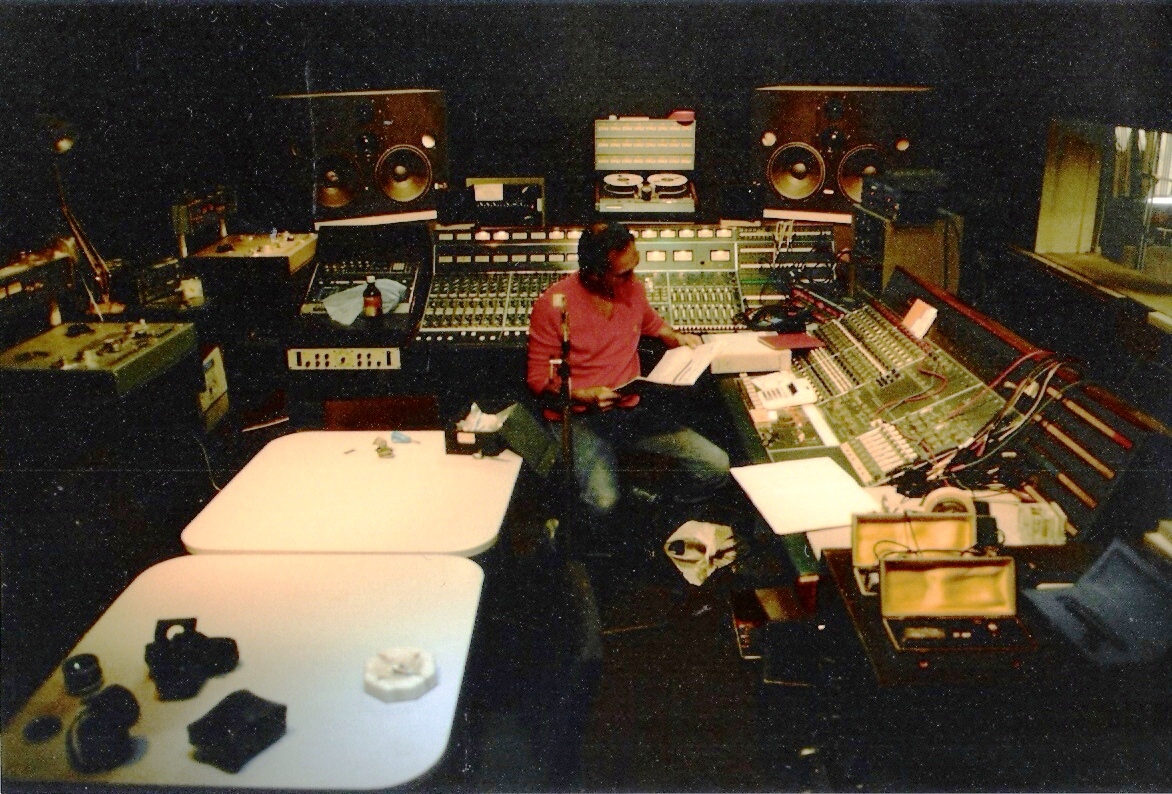
Photo 02 Vic at Jackson’s Studios
Photo 02 ジャクソン・スタジオでのヴィック
SH: I’d like to ask you about Vic Maile because of his history with Led Zeppelin, The Who, Hendrix, Dr Feelgood and my dearest album, Ace Of Spades as well as Girlschool’s first two albums and Rock Goddess. All of those were recorded by him. He’s a Rock ‘n’ Roller and there are very few people who have been praised by Lemmy who said ‘Vic knows Rock ‘n’ Roll’. Did you get a chance to talk to him during the Rock Goddess recordings or Girlschool’s Nightmare At Maple Cross?
GW: Yes, I did. Vic liked to tell stories actually so it was always quite easy to get a story out of him. Rock Goddess was my first time in a proper recording studio and although I knew how a mixing desk worked, I didn’t know compressors or limiters or other effects and it was Vic who showed me how those worked. The other producer who taught me a lot was Chris Tsangaridies but Vic was the first producer who taught me anything. He taught me that when you go into a studio, the album you end up with is never the album you have in your head before the tape rolls. When you write a song and then play it live, it’s in your head how the sound should be but when you go into a studio it’s different. A good producer will try and capture what you have in your head, capture the right performance and also make it better. Coming from a Rock ‘n’ Roll background and having worked in the Pye Mobile recording Led Zeppelin and Hendrix and all those, Vic was incredibly good at that. When we did the Girlschool album in 1986, it was when computers and synths and everything electronic was taking over and I remember Vic commenting that the feel had gone out of records because producers were now trying to create rather than capture a sound. That’s true to this day of 95% of the music in the charts; there’s no feeling, only layers of sounds. We talked a lot about the history of popular music as well as he was there! You’re talking to me now because I was there in the eighties, I was talking to Vic because he was there in the sixties. He was always generous with his time to me.
SH: ヴィック・メイルについては、レッド・ツェッペリン、ザ・フー、ヘンドリックス、ドクター・フィールグッド、そして僕の大切なアルバム『Ace Of Spades』、ガールズスクールの最初の2枚のアルバム、そして『Rock Goddess』との歴史から聞きたいんだけど。それらはすべて彼が録音したものだよね。彼はロックンローラーだし、「ヴィックはロックを解っている」とあのレミーに褒められた人なんてほとんどいないからね。『Rock Goddess』のレコーディングやガールズスクールの『Nightmare At Maple Cross』のレコーディングで彼と話す機会はあった?
GW: うん、あったよ。実際、ヴィックは話し好きだったから、彼から話を聞き出すのはいつも簡単だった。『Rock Goddess』は、私にとって初めてのレコーディング・スタジオだった。
ミキシング・デスクの仕組みは知っていたけれど、コンプレッサーやリミッター、その他のエフェクトのことは知らなかった。その仕組みを教えてくれたのはヴィックだったんだ。私に多くのことを教えてくれたもう一人のプロデューサーはクリス・ツァンガリディーズだったけど、私に何かを教えてくれた最初のプロデューサーはヴィックだった。彼は、スタジオに入ったら、出来上がったアルバムは、テープが回る前に頭の中にあったアルバムには決してならないということを教えてくれた。曲を書いて、それをライブで演奏するときは、サウンドがどうあるべきかが頭の中にあるものだけど、スタジオに入ると違ってくる。優れたプロデューサーは、バンドの頭の中にあるものを捉え、適切なパフォーマンスを捉え、さらにそれをより良いものにしようとするんだ。ロックンロール出身で、パイ・モバイルでレッド・ツェッペリンやヘンドリックスなどのレコーディングに携わってきたヴィックは、それが信じられないほど得意だった。1986年にガールズスクールのアルバムを作った時、コンピューターやシンセなどあらゆるエレクトロニックなものが支配していた時期で、ヴィックが「プロデューサーは音を捉えるのではなく、作り出そうとしているから、レコードからフィーリングがなくなってしまった。」とコメントしていたのを覚えているよ。今日に至るまで、ヒットチャートの95%の音楽がそうだよ。フィーリングがなく、ただ音が重なっているだけなんだ。彼がまさにいた時代のポピュラー音楽の歴史についてもたくさん話をしたよ!君は今、僕に話しているけど、80年代を知る僕は、60年代を経験した彼に話していたというわけさ。彼はいつも私に時間を惜しみなく使ってくれたよ。
SH: He taught you?
GW: Yes but he never said ‘Do this’ or ‘Do that’. He always explained what something did but also always said you don’t have to follow the rules and that feeling was more important. When they had finished recording the tracks for the first Rock Goddess album, we were doing the running order and in those days you had to splice pieces of tape together to decide the running order, to see if the end of one song matched the beginning of the next and also how long the gap should be. It was already decided that the first track was to be Heartache and that track ends with a heartbeat fading out. It was me who suggested that the second song (which on the album is Back To You although we actually tried In The Heat Of The Night first) come in instead of the next heartbeat. Vic tried it and it worked perfectly. He encouraged me to make suggestions like that.
SH: 彼にいろいろ教わったの?
GW: ああ、でも彼は決して「こうしろ」、「ああしろ」とは言わなかった。彼はいつも何をするのか説明してくれたが、ルールに従う必要はない、気持ちの方が大事だとも言っていた。彼らがロックゴッデスのファースト・アルバムのレコーディングを終えた時、私たちは曲順を決めていた。当時は、テープの切れ端をつなぎ合わせて曲順を決めていた。ある曲の終わりと次の曲の始まりが合っているかどうか、またそのずれの長さはどれくらいか、ってね。最初の曲が「Heartache」になることはすでに決まっていて、その曲は心臓の鼓動がフェードアウトして終わる。次の鼓動の代わりに2曲目(アルバムでは「Back To You」だが、実際には「In The Heat Of The Night」を先に試した)を入れようと提案したのは私だった。ヴィックが試してみたら、完璧にうまくいった。彼は私にそうやって提案することを勧めてくれた。
SH: What do you recall of the Iron Maiden tour? Was it a long tour?
GW: No, very short. Maiden did just eight shows in Europe as they had to go to America and we did five or six of them because at that time, Julie was fifteen years old and there were legal restrictions on how often she play. I think she could do three nights in a row but then had to have a day off. We did do the last night which was particularly memorable because on the last night of any tour, it’s traditional for the bands to play jokes on each other and we pied the band during the last song. They knew it was coming as we had arranged it before. I did Dave and Eddie as I was stage left and I used to watch the guy put the Eddie suit on every night so I knew where not to pie him otherwise the guy inside couldn’t see to get off the stage. I had to jump to make sure I got him in the face and not the chest.
SH: アイアン・メイデンのツアーで思い出すことは?長いツアーだった?
GW: いや、短かったよ。メイデンはアメリカに行かなければならなかったので、ヨーロッパでわずか8公演しかしなかった。5、6本やったよ。当時、ジュリーは15歳で、プレイする頻度に法的な制限があったからね。彼女は3日連続の夜をこなせたと思うけど、その後1日は休まなければならなかった。特に印象に残っているのは最終日の夜で、どのツアーでも最終日の夜はバンドメンバー同士が冗談をやり合うのが伝統で、私たちは最後の曲でパイを投げ合ったんだ。以前から手配していたので、そうなることは分かっていたんだ。私はステージ左側にいたので、デイブとエディに投げつけんだけど、毎晩エディのスーツを着ている人を見ていたので、どこに当てちゃいけないかは分かっていたんだ。そうでなければ、中に入ってる男はステージから降りることができなくなるからね。だから胸ではなく、顔面を狙ったよ。
SH: Could you go sightseeing on that tour or was it just stage and tour bus? Did you go to the pub with Iron Maiden?
GW: We couldn’t socialise much with Maiden as we both had different schedules in the daytime but we stayed at the same hotel on the first night of the tour and drank with Bruce and Nico and in Copenhagen there was a football match.
SH: そのツアーでは観光もできたのかな、それともステージとを往復するツアーバスに乗るだけだったのかな?アイアン・メイデンのメンバーとはパブに行った? GW: メイデンとは昼間のスケジュールが違ったので、あまり交流できなかった。でも、ツアー初日の夜は同じホテルに泊まってブルースやニコと飲んだし、コペンハーゲンではサッカーの試合があった。
SH: Football match?
GW: Yeah, against Rainbow. I’ve never forgiven the guy who was our tour manager because he didn’t even mention it to me so I missed it. I would have loved to have played in that. Maiden won 5-4.
SH: サッカーの試合?
GW: うん。レインボーと対戦したんだ。でもツアー・マネージャーだった男がそのことを私に言わなかったから、私はそれを見逃してしまったんだ。私もプレーしたかった。メイデンは5-4で勝ったんだ。
SH: Next, you wrote that you were with Audiolease as P.A. crew and did the Motorhead Hammersmith shows for Iron Fist (March 1982). You told the story of Lemmy and you backstage, what other memories do you have of this time?
GW: Not many to be honest – we drank a lot back in those days. (laughs) P.A.s back then were very different to now in that now, they have 3-way array cabinets which simply put means they have the bass, middle and treble speakers all in one cabinet and you just have as many of the one cabinet as the venue needs but back in the eighties, they didn’t exist. We used to have the subs (low bass), bass, low-mids, high-mids and tops all separate which was called a five-way system. The high-mids we used on those shows were known as an ‘82’ which sends out that frequency that really hurts your ears (about 3KHz) and we put a row of them across the front of stage which blasted the front ten rows. It’s the only time I’ve ever seen an audience push back because the gig was so loud.
SH: 次に、君はオーディオリースのP.A.クルーとして参加したと書いているね。1982年3月、アイアン・フィストのためにモーターヘッドのハマースミス公演を行った。バックステージでのレミーとのエピソードを話してくれているけど、他にどんな思い出がある?
GW: 正直言って、あの頃は飲んだ暮れてたよ(笑)。当時のP.A.は今と大きく異なり、3ウェイ・アレイ・キャビネットを採用している。これは簡単に言うと、低音、中音、高音のスピーカーが1つのキャビネットに収められているということだ。一つのキャビネットを会場が必要とする数だけ用意すればいいんだけど、80年代にはそんなのは存在しなかったんだ。以前はサブ(低音)、ベース、ローミッド、ハイミッド、トップがすべて別々で、5ウェイシステムと呼ばれていた。当時のショーで使っていたハイミッドは『82』と呼ばれるもので、耳が痛くなるような周波数(約3KHz)を出していた。ステージの前方10列めまでを圧倒するために、ステージの前方に一列に並べたんだ。ライブの音が大きすぎて、観客が押し戻されるのを見たのはこのときだけだね。
SH: Wooagh…you’d need big earplugs!
GW: Well, nobody used earplugs in those days.
SH: うわぁ・・・大きな耳栓が要ったね!
GW: まあね、でも当時は誰も耳栓はしてなかったな。
SH: Everybody got a headache? It’s like a torture…very dangerous.
GW: Yeah. I think we just did it for the first couple of numbers. We turned them down after that.
SH: みんな頭痛がしてなかった?まるで拷問だね...とても危険だよ。
GW: そうだね。あれを使ったのは最初の2、3曲だけだったと思う。その後はレベルを落としたよ。
SH: At that time, they were one of the loudest bands in the world.
GW: They were. Phil Taylor’s drum monitor was a P.A. on its own. He used to have a bass, mid and horn for his drum fill. He had 5kW just for the drums. Lemmy had his own as well and we would have to build it and then turn it until he said stop and that would be the loudest and best position for him.
SH: 当時、彼らは世界で最もラウドなバンドの一つだったからね。
GW: そうだね。フィル・テイラーのドラム・モニターは、それだけでP.A.だった。彼は以前、ドラムのフィルにベース、ミッド、ホーンを持っていた。彼はドラムのためだけに5kwを使っていたんだ。レミーも自分のを持っていて、私たちはそれを組み立てて、彼がストップと言うまでつまみを回さなければならなかった。彼にとって最も声が大きくなって、ベストなポジションまでね。
SH: Their ears were strong.
GW: No. They all suffered hearing loss later in life. I have as well, my right ear is down about 12% because I used to stand stage-left most of the time. Standing on a stage for two hours every night in front of a Marshall stack without earplugs will damage your ears.
SH: 彼らの耳は強かったんだな。
GW: そうじゃない。彼らは皆、後に難聴を患ったよ。私もそうだ。以前はステージ左側に立つことが多かったので、右耳の聴力が12%ほど下がっている。毎晩2時間、耳栓なしでマーシャル・スタックの前に立っていると耳が痛くなるんだ。
SH: You found a lot of merchandise and tapes and treasures when you were clearing out Doug Smith’s basement. Did you take home any of the t-shirts or badges or caps?
GW: No, only the tapes. The t-shirts and merchandise were from old tours but Doug had to keep them for his tax records. Back then, if you ordered a thousand t-shirts and sold 950, you had to keep the others for a certain amount of time for tax and then after that, you had to destroy them and prove that you destroyed them. They gave me a couple of course but most of them went into storage and I never saw them again.
SH: ダグ・スミスの地下室を整理していたら、たくさんのグッズやテープ、お宝を見つけたんだね。Tシャツやバッジ、キャップは持ち帰ったの?
GW: いや、テープだけだ。Tシャツやグッズは昔のツアーのものだったけど、ダグは納税記録のために取っておかなければならなかったんだ。当時は、1000枚のTシャツを注文して950枚売れたら、残ったTシャツは税金のために一定期間保管しなければならず、その後は破棄して破棄したことを証明しなければならなかった。いくつかもらったけど、ほとんどは倉庫にしまい、それっきりだ。
1980年代のヘッドバンガーのライフスタイル

Photo 3 The newspaper clipping of me, Ken and Lee.
Photo 3 私とケンとリーの新聞の切り抜き。
SH: This is you and Barmy Army members…
GW: Ken (middle) was a Barmy Army member, one of the originals but Lee was an amateur photographer actually who went to lots of Rock gigs. He’s the guy who took me to my first Rock Goddess gig actually and introduced me to the band. Hold on…(Glenn goes and brings back his old cut-off)
SH: これがバーミー・アーミーのメンバーだ...
GW: ケン(中央)は、古くからのバーミー・アーミーのメンバーだった一人だ。が、実はリーはアマチュア写真家で、ロックのライブにたくさん行っていた。彼は僕を初めてRock Goddessのギグに連れて行ってくれて、バンドを紹介してくれた人なんだ。ちょっと待って...(グレンは古い袖を切ったGジャンを持ってくる)。
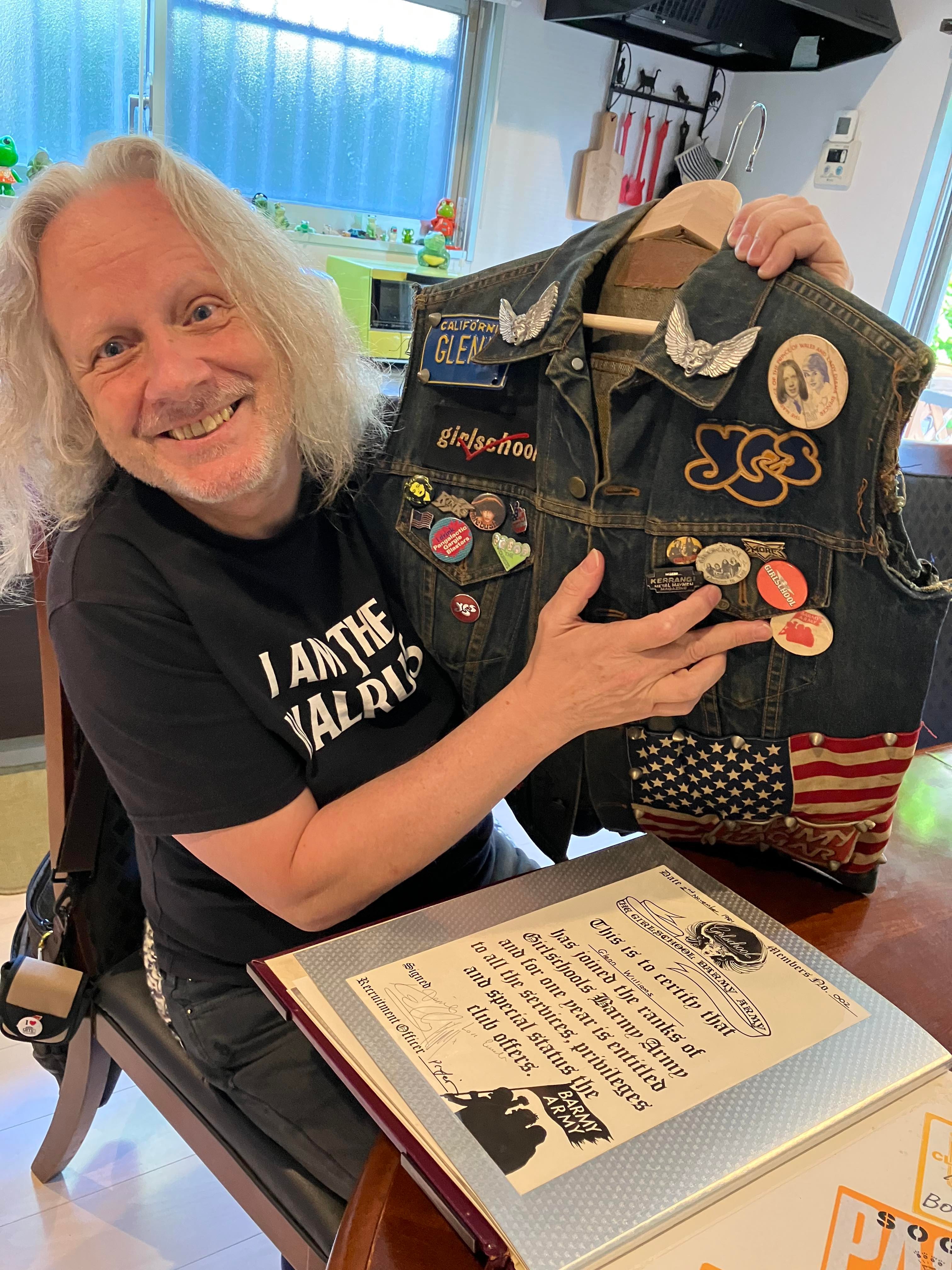
Photo 4 My 1978 cut-off
Photo 4 私の1978年製袖カットGジャン
SH: Wow! It still exists?
GW: Yeah.
SH: Unbelievable!
GW: I first had this in 1978. This was the first Girlschool Barmy Army badge. Very rare now. (pointing above)
SH: ワォ!まだこんなの持ってるの?
GW: ああ。
SH: 信じられないな!
GW: 最初に買ったのは1978年だった。これは最初のガールズスクールのバーミー・アーミーバッジだ。今では激レアだよ(指差して)。
SH: Where did you buy or trade in England at that time? In 1990, I went to Camden and Carnaby Street and there were some shops but they dealt with only patches and badges. Where there those shops in the early eighties?
GW: In the early eighties I was still living in Leicester there wasn’t much.
SH: 当時、イギリスではどこで買ったり、取引したりしてたの?1990年、カムデンとカーナビー・ストリートに行ってみた時、いくつかの店があったけど、ワッペンやバッジしか扱っていなかった。80年代前半にそんな店があったの?
GW: 80年代前半、私はまだレスターに住んでいて、大したことはなかったよ。
SH: Only concerts?
GW: Pretty much, yes. There would be bootleg stall outside gigs and then the official merchandise inside. There was one shop in Leicester you could go to that had patches but they were usually bands you didn’t like or that you had never seen. The Girlschool ones on here all came from Girlschool, the others came from gigs or maybe a shop in Soho. It was the mid-late eighties when shops started to open up and sell more Rock patches and stuff. If you watch any gigs from the 1970s, Deep Purple or Led Zeppelin or any of those gigs, the audience were not wearing jackets with lots of patches on, they were only wearing t-shirts.
SH: コンサートだけはあった?
GW: ああ、それはかなりね。ライブの外ではブートレッグの屋台が出ていて、中ではオフィシャルグッズが売られている。レスターにはワッペンを売っている店があったけれど、たいていは好きでもないバンドか、見たこともないバンドだった。ここにあるガールズスクールのものはすべてガールズスクールからもらったもので、他のものはライブ会場かソーホーの店で買ったものだ。80年代半ばから後半にかけて、ショップがオープンしてロックのワッペンなどが売られるようになったんだ。1970年代のディープ・パープルやレッド・ツェッペリンなどのライブを見ると、観客はたくさんのワッペンがついたジャケットを着てなくて、Tシャツだけを着ていた。
SH: It’s a good point because in the early eighties, it seems that there were many people doing embroidery themselves.
GW: That’s right. The big Girlschool logo here is from the first single and my Mum embroidered it for me. On the back, I painted the Yes Tormato album cover for the two shows they did at Wembley on October 28th, 1978. They did two shows in one day – I saw both – and the ‘Ten True Summers’ across the top is because it was their tenth anniversary.
SH: いい指摘だね。80年代前半には、刺繍を自分でやる人がたくさんいたようだからね。
GW: そうなんだ。この大きなガールズスクールのロゴはファーストシングルのもので、私の母が刺繍してくれたんだ。背面には、1978年10月28日にウェンブリーで行われたイエスの2公演のために『Tormato』のアルバム・ジャケットを描いた。彼らは一日に2公演-両方観たよ-行なったんだ。そして、「Ten True Summers」と書かれているのは、この日が彼らの結成10周年記念日だったからだ。
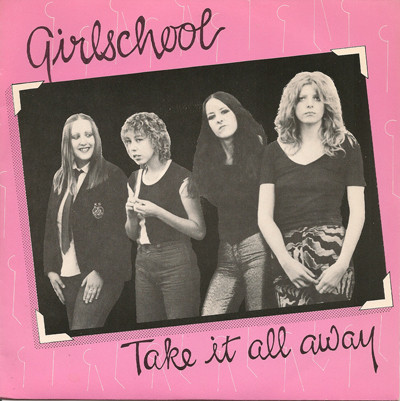
Photo 5a Girlschool Take It All Away single
Photo 5a ガールズスクールの「Take It All Away」のシングル

Photo 5b Mum embroidered Girlschool patch
Photo 5b 母さんが刺繍してくれたガールズスクールのワッペン

Photo 5c I painted the rear for Yes’s 10th anniversary shows in 1978
Photo 5c 1978年、イエスの結成10周年記念コンサートのために私が背面に描いた絵
SH: I did the same with my jacket! Every stud the same! (big smile)
GW: I know you did and it’s a work of art.
SH: 僕もジャケットに同じことをしたよ。イケてる奴はみんな同じだね!(大笑い)
GW: そうだろうね。芸術品だよ。
SH: Thank you! Was this British culture from 1960s? There were many Motorcycle clubs with embroidery and patches and also Mods had badges.
GW: They did but they were not band badges. They would be the Union Flag or places or something else but not bands. It was more about the image for those people but you raised a very interesting point that I’ve never thought of before and that is that the NWOBHM really did escalate the patches and badges on jackets fashion.
SH: ありがとう!これは1960年代からの英国文化なのかな?刺繍やワッペンをつけたモーターサイクル・クラブもたくさんあったし、モッズもバッジをつけていた。
GW: ああ、でもバンドのバッジじゃなかったね。ユニオン・フラッグとか、どこかの場所とか、何か他のものはあっても、バンドのはなかった。その人たちにとってはイメージの方が大事だったんだろうけど、君は私がこれまで考えたこともないような、とても興味深い指摘をしてくれたよ。NWOBHMがジャケットのワッペンやバッジのファッションをエスカレートさせたということだね。
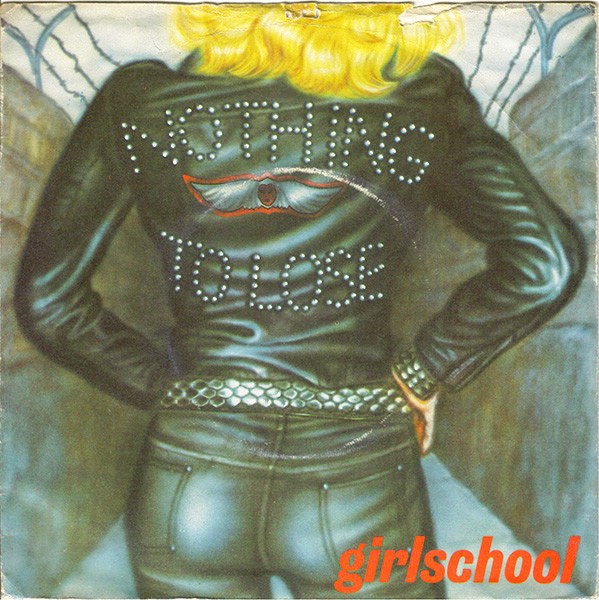
Photo 6a The 7” cover of Girlschool’s Nothing to Lose
Photo 6a ガールズスクールの「Nothing to Lose」の7インチシングルのジャケット
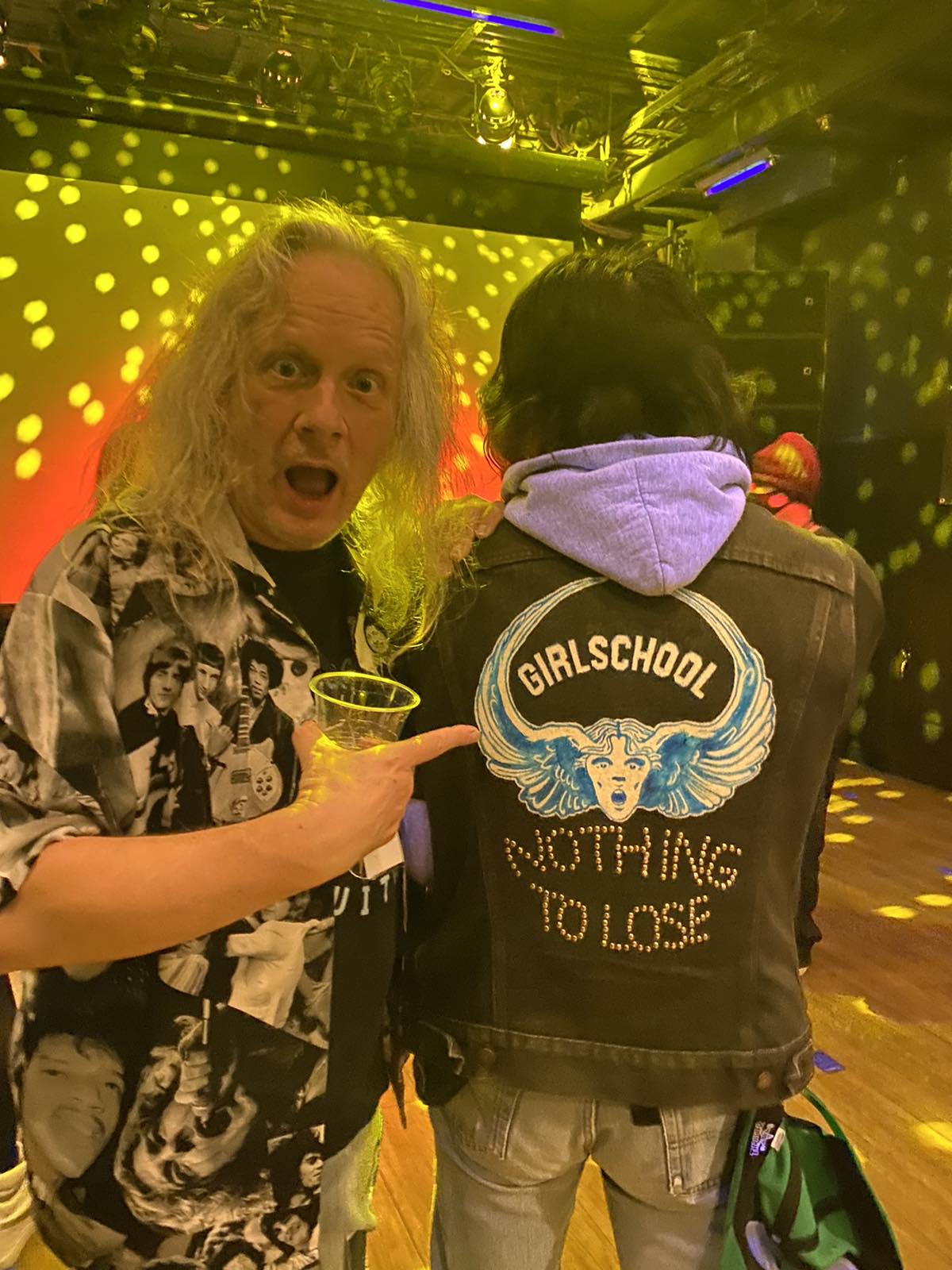
Photo 6b Satoshi’s jacket
Photo 6b サトシのジャケット
Part II next month
パート2は次月にて
Copyright © 2023 Upp-tone music Co., Ltd. All Rights Reserved.